Transporting bulk liquids requires careful decision-making at every stage. Each choice can reduce risk or introduce it, control costs or create inefficiencies, and ultimately determine whether products keep moving or supply chains slow down.
For companies moving fuel, chemicals, and other regulated liquids at scale, transloading has proven time and time again to be a strategic advantage. It adds flexibility where traditional transportation models fall short, helping shippers manage capacity constraints, distance, and fluctuating demand without compromising safety or compliance.
Below are five reasons why transloading continues to play an essential role in bulk liquid transportation.
1. Reduced Transportation Costs on Long-Haul Moves
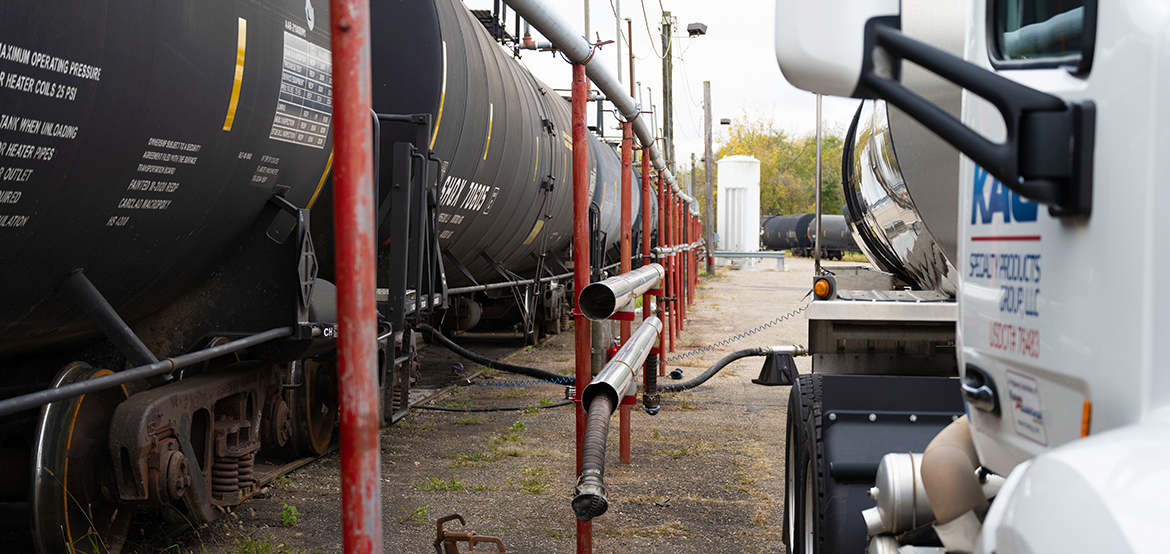
Transloading lets bulk liquids travel by rail for the longest stretch of the journey, then transition to tanker trucks for regional or last-mile delivery. That means fewer truck miles on the road, lower fuel and labor costs, and less strain on equipment. Depending on distance and route, shippers can see transportation cost savings of 10–30% compared to long-haul trucking, without sacrificing service.
2. Greater Supply Chain Flexibility
When demand shifts or capacity tightens, transportation plans can be adjusted without disrupting the flow of products. Companies are not locked in long, fixed truck routes, which makes it easier to adapt and respond in real time. This flexibility matters most during peak demand periods, unexpected supply interruptions, or seasonal volume changes, when rigid transportation models are more likely to fall short.
3. Expanded Market Access Without Rail Infrastructure
Not every customer sits on a rail line. That should not limit where bulk liquids can be delivered. Transloading allows products to move through regional transload facilities, using rail for long-haul efficiency and tanker trucks for precise regional delivery. This opens access to more markets, including locations without rail service, while maintaining consistent service, safety standards, and regulatory compliance. It gives companies the ability to expand their footprint without adding complexity to their transportation strategy.
4. Faster Delivery and Improved Responsiveness
Transloading gives shippers more control over how products move once they are in transit. By positioning inventory closer to demand through regional transload facilities, companies can adjust delivery plans as customer needs change. Product can be redirected, split into smaller shipments, or rerouted to different markets without disrupting the overall flow.
This level of responsiveness is especially valuable when demand shifts quickly or supply conditions change. Instead of being locked into a single delivery plan, transloading allows transportation teams to stay flexible and make informed adjustments while maintaining service reliability and compliance.
5. Enhanced Safety, Compliance, and Control
Bulk liquid transloading facilities are designed to handle regulated materials in a controlled environment. Secondary containment, fixed transfer systems, trained operators, and strict procedures reduce the likelihood of spills or incidents compared to transfers that occur on the road. Fewer uncontrolled variables mean fewer opportunities for problems.
When combined with specialized tanker fleets, transloading adds consistency and oversight across the supply chain. It supports safer handling, regulatory compliance, and product integrity from transfer to final delivery.
The Bottom Line
Transloading isn’t just a logistics alternative; it’s a strategic advantage. By combining the cost efficiency of rail with the precision and reach of specialized tanker trucking, bulk liquid shippers gain greater control over risk, cost, and continuity. In complex, regulated supply chains, that level of flexibility and reliability can make all the difference.
Looking to strengthen your bulk liquid transportation strategy?
Whether you’re managing long-haul moves, regional distribution, or fluctuating demand, transloading can play a key role in building a more resilient supply chain.
Connect with our team to explore how integrated transportation solutions can support your operation.